

Key Takeaways
- Store wine at a temperature range of 45-65°F for optimal storage
- Maintain humidity levels between 50-70% to prevent corks from drying out
- Minimize vibration to preserve wine quality and prevent sediment disturbance
- Use low UV lighting or LED lights to minimize the impact on wine aging
- Invest in proper shelving and racking to organize and store wine bottles safely
Optimal Temperature Range for Wine Storage
Maintaining the correct temperature is crucial for preserving the quality and flavor of wine. The ideal temperature range for wine storage varies depending on the type of wine, but generally, it should be between 55°F and 65°F (13°C and 18°C). This temperature range helps to slow down the aging process, preventing the wine from prematurely oxidizing or developing undesirable flavors.
For red wines, the optimal temperature is typically on the higher end of the range, around 60°F to 65°F (16°C to 18°C). This allows the wine to develop its full-bodied character and complex aromas. On the other hand, white wines and sparkling wines thrive in a slightly cooler environment, around 55°F to 60°F (13°C to 16°C), which helps to preserve their crisp, refreshing qualities.
It’s important to note that sudden temperature fluctuations can be detrimental to wine, as they can cause the wine to expand and contract, leading to premature aging and the potential for leakage. Therefore, maintaining a consistent temperature is crucial for ensuring the longevity and quality of your wine collection.
Humidity Control: Maintaining the Ideal Environment
Humidity plays a crucial role in the preservation of wine. The ideal humidity range for wine storage is between 60% and 70%. This level of humidity helps to prevent the cork from drying out, which can lead to air entering the bottle and causing the wine to oxidize prematurely.
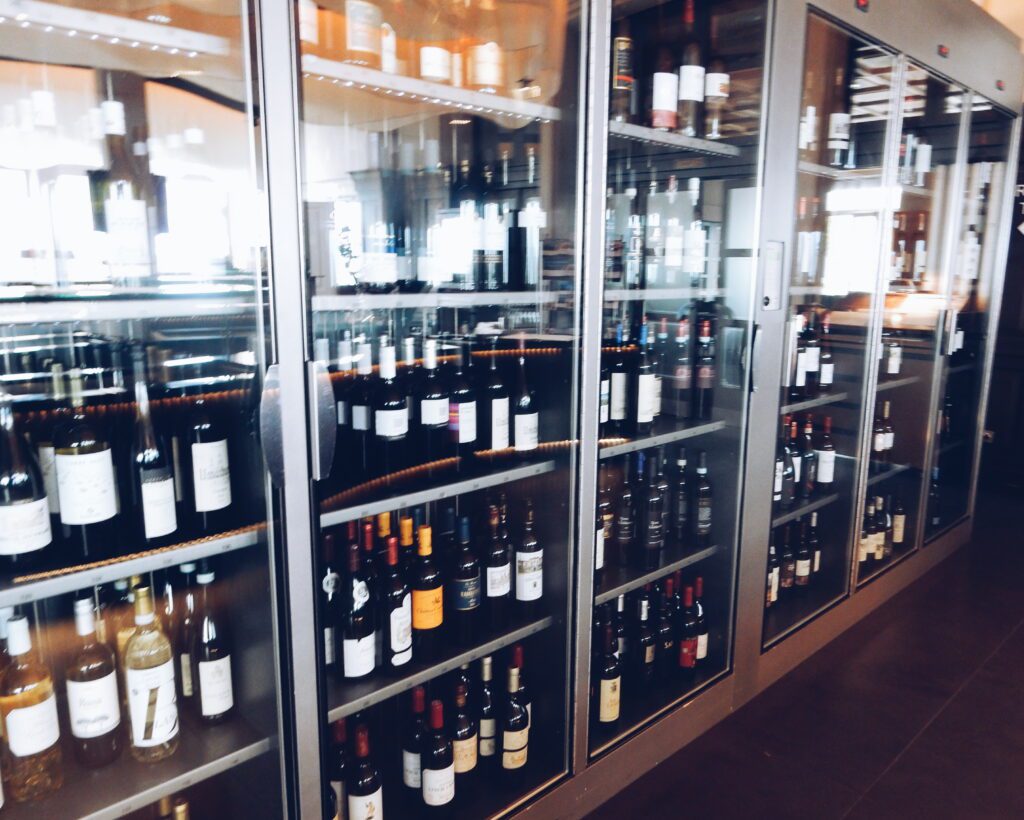
To achieve the optimal humidity levels, wine enthusiasts in Danville can consider investing in a wine refrigeration system that incorporates humidity control features. These systems often include built-in humidifiers or dehumidifiers to maintain the desired humidity levels. Alternatively, you can use a standalone humidifier or dehumidifier to regulate the humidity in your wine storage area.
It’s important to note that excessively high humidity can also be detrimental, as it can lead to the growth of mold and mildew, which can damage the labels and corks of the wine bottles. Conversely, low humidity can cause the corks to dry out and shrink, allowing air to enter the bottles and compromising the wine’s quality. By carefully monitoring and adjusting the humidity levels, you can ensure that your wine collection is stored in the optimal environment.
Vibration and its Impact on Wine Quality
Vibration is another factor that can have a significant impact on the quality of wine. Constant or excessive vibration can disrupt the delicate balance of the wine, causing the sediment to become unsettled and the flavors to become unbalanced.
In Danville, where homes may be located near busy roads or other sources of vibration, it’s essential to take measures to minimize the impact on your wine storage. One effective solution is to invest in a wine refrigeration system that is specifically designed to reduce vibration. These systems often feature advanced compressor technology and vibration-dampening features to ensure that your wine is stored in a stable environment.
Additionally, you can consider placing your wine storage area on a solid, level surface and avoiding placing it near sources of vibration, such as washing machines, dryers, or heavy machinery. By taking these precautions, you can help to preserve the integrity and quality of your wine collection, ensuring that it ages gracefully and maintains its desired characteristics.
Lighting Considerations for Wine Cellars
| Do’s | Don’ts |
|---|---|
| Do store wine at a consistent temperature | Don’t expose wine to extreme temperature fluctuations |
| Do keep wine away from direct sunlight | Don’t store wine in a warm or bright location |
| Do store wine bottles horizontally | Don’t store wine bottles upright |
| Do maintain proper humidity levels | Don’t let the wine storage area become too dry or too humid |
Lighting is another crucial factor to consider when it comes to wine storage. Exposure to direct sunlight or bright artificial lighting can be detrimental to the wine, as it can cause the wine to prematurely age and develop undesirable flavors.
In Danville, where homes may have access to natural light, it’s important to carefully consider the placement and type of lighting used in your wine storage area. Ideally, the wine cellar or storage area should be located in a dark, cool space, away from any sources of direct light. If this is not possible, you can use specialized lighting solutions, such as LED lights or low-intensity incandescent bulbs, to illuminate the space without exposing the wine to harmful levels of light.
Additionally, you can consider installing dimmer switches or motion-activated lighting to ensure that the wine is only exposed to light when necessary. By carefully managing the lighting in your wine storage area, you can help to preserve the quality and longevity of your wine collection.

Proper Shelving and Racking for Wine Organization
Proper wine storage and organization are essential for maintaining the quality and condition of your wine collection. In Danville, where homes may have limited space, it’s crucial to optimize the use of available storage areas and ensure that your wine is stored in a way that promotes its long-term preservation.
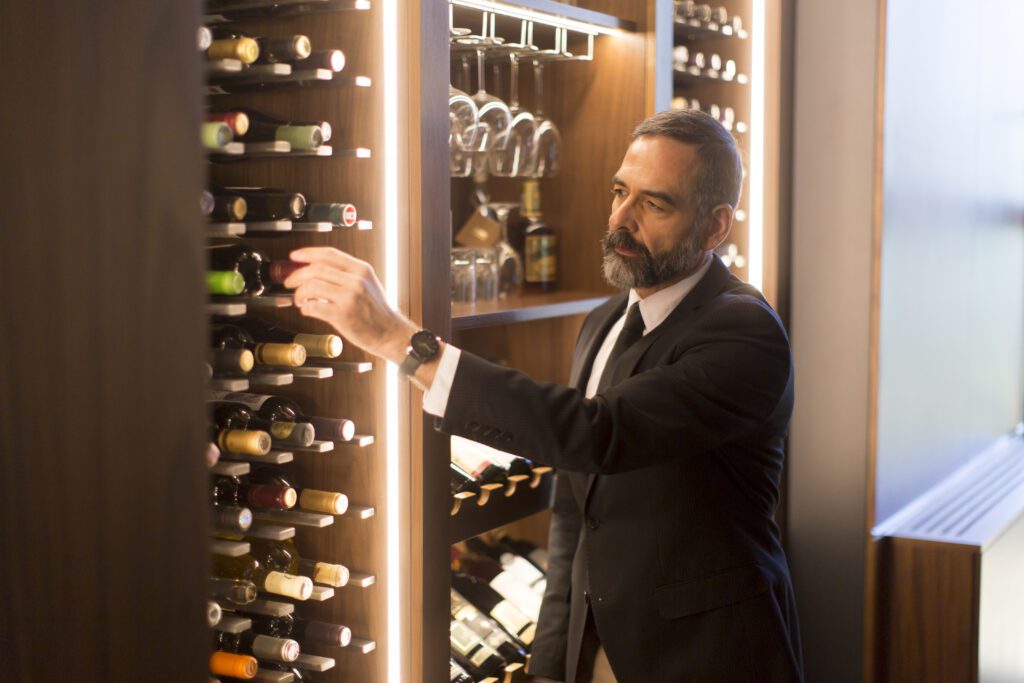
One of the most important aspects of wine storage is the use of appropriate shelving and racking systems. Wine bottles should be stored horizontally, with the labels facing outward, to keep the corks moist and prevent air from entering the bottles. This helps to maintain the wine’s integrity and prevent premature aging.
When selecting wine racks or shelving, it’s important to choose a system that is designed specifically for wine storage. These systems often feature individual slots or compartments to hold each bottle securely, preventing them from shifting or vibrating. Additionally, the racks should be sturdy and able to support the weight of the wine bottles without bending or sagging.
By investing in a well-designed wine storage system and organizing your wine collection in a thoughtful manner, you can ensure that your wine is stored in the optimal conditions, promoting its longevity and preserving its unique flavors and aromas.
Avoiding Common Mistakes in Wine Refrigeration
While wine refrigeration is essential for preserving the quality of your wine collection, it’s important to be aware of common mistakes that can compromise the effectiveness of your wine storage system. In Danville, where homeowners may be new to the world of wine refrigeration, it’s crucial to address these potential pitfalls.
One common mistake is setting the temperature too low or too high. As mentioned earlier, the ideal temperature range for wine storage is between 55°F and 65°F (13°C and 18°C). Exceeding this range can lead to premature aging, oxidation, or even the development of undesirable flavors in the wine.
Another common issue is neglecting to maintain the wine refrigeration system. Regular cleaning, filter changes, and system checks are essential to ensure that the system continues to function at its optimal level. Failure to do so can result in decreased efficiency, increased energy consumption, and potential malfunctions that could damage the wine.
Additionally, it’s important to ensure that the wine refrigeration system is properly sized for the space and the size of your wine collection. Choosing a system that is too small or too large can lead to uneven temperature distribution and humidity levels, which can negatively impact the quality of your wine.
By being mindful of these common mistakes and taking proactive steps to address them, you can ensure that your wine refrigeration system in Danville operates efficiently and effectively, preserving the quality and integrity of your wine collection.
Energy-Efficient Cooling Solutions for Danville Homes
As homeowners in Danville become increasingly conscious of their environmental impact and energy consumption, the demand for energy-efficient cooling solutions for wine refrigeration has grown. Fortunately, there are several innovative technologies and strategies that can help wine enthusiasts in Danville achieve their energy-saving goals while still maintaining the optimal storage conditions for their wine collections.
One such solution is the use of thermoelectric cooling systems. These systems, which rely on the Peltier effect to generate cooling, are known for their energy efficiency, quiet operation, and compact design. They are an excellent choice for smaller wine storage areas or wine coolers, as they consume significantly less energy than traditional compressor-based systems.
Another option is the use of geothermal cooling systems. These systems leverage the stable temperature of the earth’s subsurface to provide efficient cooling for wine cellars and storage areas. By tapping into the earth’s natural thermal energy, geothermal systems can significantly reduce the energy required for wine refrigeration, making them a highly sustainable choice for Danville homeowners.
Additionally, homeowners in Danville can explore the use of solar-powered cooling solutions for their wine storage needs. By integrating photovoltaic panels and energy-efficient cooling technologies, these systems can provide a self-sufficient, renewable source of cooling power for wine cellars, ensuring that your wine collection is stored in an environmentally friendly and energy-efficient manner.
By exploring these energy-efficient cooling solutions, Danville homeowners can not only preserve the quality of their wine but also contribute to a more sustainable future by reducing their carbon footprint and energy consumption.
Integrating Wine Refrigeration into Your Home Design
As the popularity of wine collecting and appreciation continues to grow in Danville, homeowners are increasingly seeking ways to seamlessly integrate wine refrigeration into their overall home design. This integration not only enhances the functionality of the space but also adds a touch of elegance and sophistication to the home.
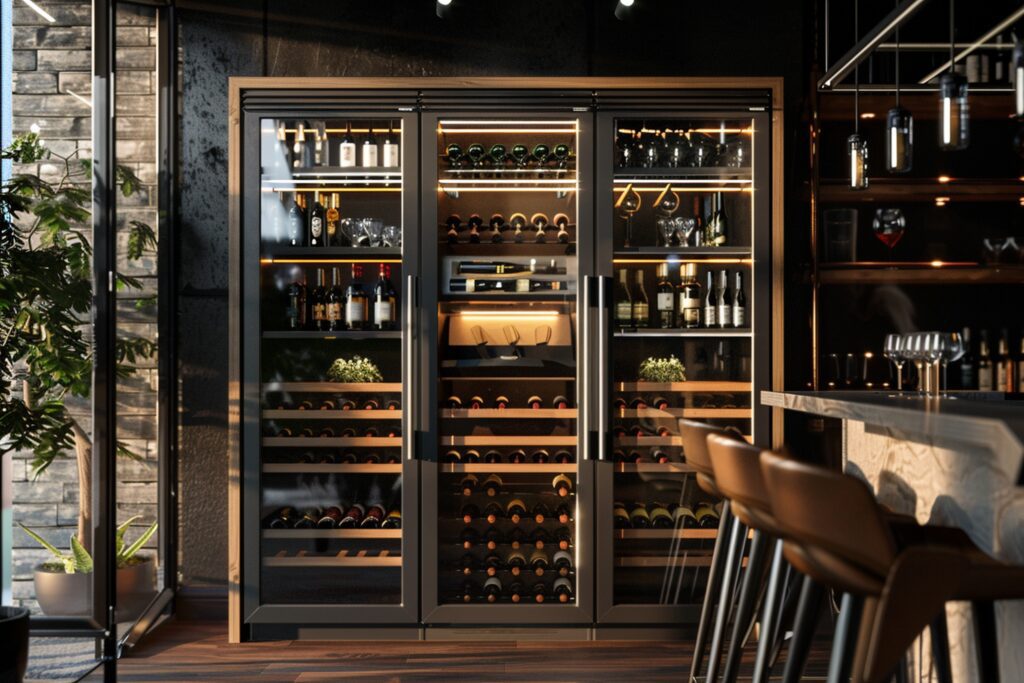
One approach is to incorporate a dedicated wine cellar or tasting room into the home’s design. These specialized spaces can be designed to showcase the wine collection while providing the optimal storage conditions. Homeowners can work with architects and designers to create custom-built wine cellars that blend harmoniously with the home’s architectural style and aesthetic.
Alternatively, homeowners may opt for more discreet wine refrigeration solutions, such as built-in wine coolers or under-counter wine fridges. These compact and integrated units can be seamlessly incorporated into the kitchen, wet bar, or other designated areas, allowing homeowners to enjoy the convenience of wine storage without compromising the overall design of the space.
When integrating wine refrigeration into the home design, it’s important to consider factors such as accessibility, visibility, and the overall flow of the space. Homeowners should also ensure that the wine storage solution aligns with the home’s existing decor and architectural elements, creating a cohesive and visually appealing integration.
By carefully planning and executing the integration of wine refrigeration into their Danville homes, homeowners can not only preserve the quality of their wine collection but also enhance the overall aesthetic and functionality of their living spaces.
Maintenance and Troubleshooting Tips for Wine Coolers
Proper maintenance and timely troubleshooting are essential for ensuring the longevity and optimal performance of wine coolers in Danville homes. Regular care and attention can help prevent costly repairs and ensure that your wine collection is stored in the ideal conditions.
One of the most important maintenance tasks for wine coolers is cleaning the condenser coils. Over time, these coils can become clogged with dust and debris, reducing the efficiency of the cooling system and potentially leading to compressor failure. Homeowners should consult the manufacturer’s instructions and clean the condenser coils at least once a year, or more frequently if the cooler is located in a particularly dusty environment.
Additionally, it’s crucial to check the door seals and gaskets regularly. Worn or damaged seals can allow warm air to enter the cooler, causing temperature and humidity fluctuations that can harm the wine. Replacing these seals as needed can help maintain the integrity of the cooler’s internal environment.
In the event of a malfunction or unexpected issue with the wine cooler, it’s important to act quickly to diagnose and address the problem. Common troubleshooting steps may include checking the power supply, inspecting the thermostat and temperature settings, and ensuring that the cooling system is functioning properly. If the issue persists or requires more advanced repair, it’s best to consult a professional wine cooler technician who can provide expert guidance and solutions.
By staying proactive with maintenance and being prepared to troubleshoot any issues that may arise, Danville homeowners can ensure that their wine coolers continue to provide reliable and efficient storage for their valuable wine collections.
FAQs
What is the ideal temperature for storing wine in a wine refrigerator?
The ideal temperature for storing wine in a wine refrigerator is between 45-65°F (7-18°C).
Can I store other beverages in a wine refrigerator?
It is not recommended to store other beverages in a wine refrigerator as the temperature settings are specifically designed for wine storage.
Should I store wine bottles upright or on their side in a wine refrigerator?
Wine bottles should be stored on their side in a wine refrigerator to keep the cork moist and prevent it from drying out.
Can I store open bottles of wine in a wine refrigerator?
Yes, you can store open bottles of wine in a wine refrigerator, but it is best to use a vacuum pump to remove excess air from the bottle to preserve the wine.
Is it okay to place a wine refrigerator in direct sunlight?
It is not recommended to place a wine refrigerator in direct sunlight as it can affect the temperature and quality of the wine. It is best to place the refrigerator in a cool, dark area.
How often should I clean my wine refrigerator?
It is recommended to clean your wine refrigerator every 3-6 months to prevent mold and bacteria growth. Use a mild detergent and warm water to clean the interior and exterior of the refrigerator.
