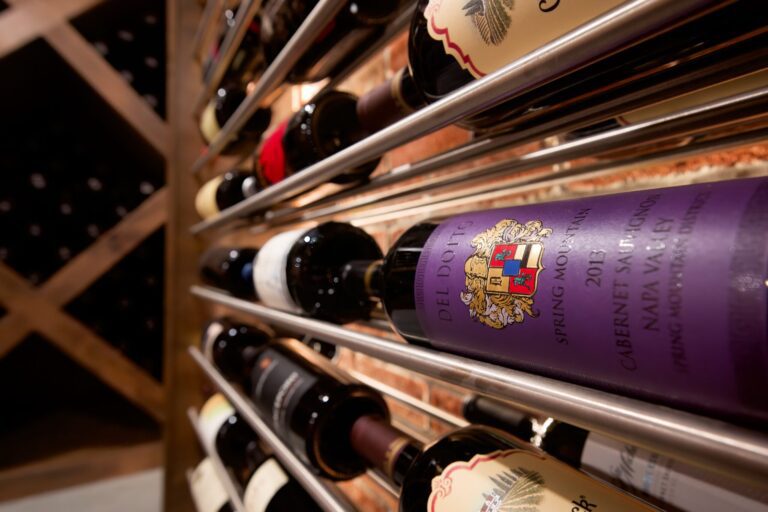
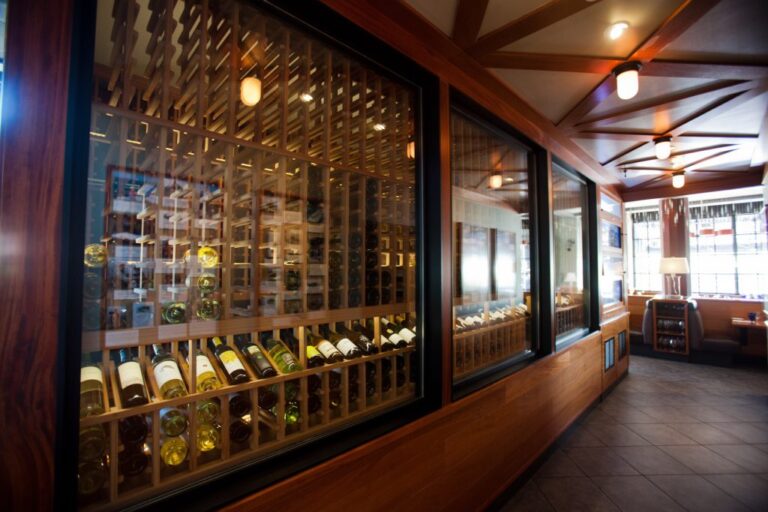
The world of wine is as intricate as it is fascinating, with each bottle representing a unique blend of history, culture, and craftsmanship. For commercial establishments, such as restaurants, wine bars, and retail outlets, the proper storage of wine is not merely a matter of convenience; it is essential for preserving the quality and integrity of the product. Commercial wine storage involves specialized techniques and facilities designed to maintain optimal conditions for wine aging and preservation.
This ensures that the flavors and aromas of the wine remain intact, allowing consumers to enjoy the full experience that each bottle has to offer. In recent years, the demand for high-quality wine storage solutions has surged, driven by an increasing appreciation for fine wines among consumers. As a result, businesses are recognizing the importance of investing in dedicated wine storage spaces that not only protect their inventory but also enhance the overall customer experience.
A well-designed wine cellar can serve as a focal point in a commercial setting, showcasing the establishment’s commitment to quality and sophistication. This article will explore the various aspects of commercial wine storage, from the initial planning stages to ongoing maintenance, providing valuable insights for those looking to create or improve their wine storage facilities.
Key Takeaways
- Commercial wine storage requires careful planning and consideration of various factors to ensure the quality and longevity of the wine.
- When building a wine cellar, factors such as location, insulation, and ventilation must be carefully considered to create an optimal storage environment.
- Designing and planning the wine cellar space involves maximizing storage capacity, considering accessibility, and creating a visually appealing and functional space.
- Choosing the right wine racks and shelving is crucial for organizing and storing wine bottles efficiently while also considering the aesthetic appeal of the cellar.
- Temperature and humidity control are essential for preserving the quality of wine, and proper systems must be in place to maintain ideal storage conditions.

Factors to Consider When Building a Wine Cellar
When embarking on the journey of building a commercial wine cellar, several critical factors must be taken into account. First and foremost is the location of the cellar. The chosen space should be away from direct sunlight and temperature fluctuations, as these elements can adversely affect the quality of the wine.
Ideally, the cellar should be situated in a cool, dark area with minimal foot traffic to ensure that the bottles remain undisturbed. Additionally, considerations regarding accessibility are vital; staff should be able to retrieve and restock inventory efficiently without compromising the integrity of the stored wines. Another significant factor is the size of the wine cellar.
The dimensions will largely depend on the volume of wine that needs to be stored and the anticipated growth of the collection over time. It is essential to strike a balance between having enough space for current inventory while allowing for future expansion. Furthermore, businesses should consider their target market and customer preferences when determining the types of wines to store.
This will influence not only the size but also the design and layout of the cellar, ensuring that it meets both functional and aesthetic needs.
Designing and Planning the Wine Cellar Space
The design and planning phase of a commercial wine cellar is crucial in creating an environment that promotes optimal wine storage conditions. A well-thought-out layout can enhance both functionality and aesthetics, making it easier for staff to manage inventory while providing an inviting atmosphere for customers. One key aspect of design is the flow of movement within the space; aisles should be wide enough to accommodate staff and customers without causing congestion.
Additionally, incorporating designated areas for different types of wines—such as reds, whites, and sparkling—can streamline organization and retrieval. Incorporating elements that reflect the brand’s identity can also elevate the design of a wine cellar. This may include custom shelving or racks that align with the overall theme of the establishment.
The use of materials such as wood or metal can add a touch of elegance while ensuring durability. Moreover, integrating technology into the design can enhance efficiency; for instance, utilizing inventory management systems can help track stock levels and streamline ordering processes. Ultimately, a well-designed wine cellar should not only serve its primary function but also contribute to the overall ambiance of the commercial space.
Choosing the Right Wine Racks and Shelving
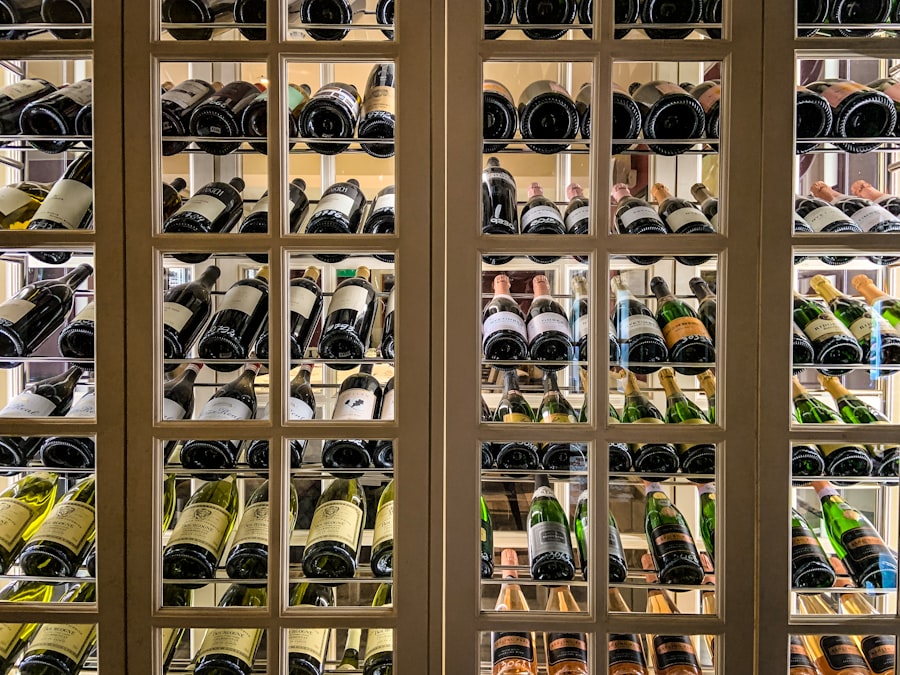
Selecting appropriate wine racks and shelving is a fundamental aspect of creating an effective commercial wine storage solution. The right racks will not only support bottles securely but also facilitate proper airflow and visibility. Various styles are available, ranging from traditional wooden racks to modern metal designs, each offering unique benefits.
Wooden racks are often favored for their aesthetic appeal and ability to absorb vibrations, while metal racks can provide a sleek, contemporary look that maximizes space efficiency. When choosing racks, it is essential to consider the specific needs of the wine collection. For example, larger formats such as magnums may require specialized storage solutions to accommodate their size.
Additionally, adjustable shelving can offer flexibility for changing inventory needs over time. It is also important to ensure that racks are designed to hold bottles horizontally, as this keeps corks moist and prevents air from entering the bottle, which can spoil the wine. Ultimately, selecting the right racks and shelving will enhance both functionality and visual appeal in a commercial wine cellar.
Temperature and Humidity Control in Wine Storage
Temperature and humidity control are paramount in maintaining optimal conditions for wine storage. Wines are sensitive to fluctuations in temperature; ideally, they should be stored at a consistent temperature between 50°F and 55°F (10°C to 13°C). Temperatures that are too high can accelerate aging and lead to spoilage, while excessively low temperatures can inhibit proper maturation.
Therefore, investing in reliable climate control systems is essential for any commercial wine cellar. Humidity levels also play a critical role in preserving wine quality. The ideal humidity range for wine storage is between 50% and 70%.
Low humidity can cause corks to dry out, leading to oxidation and spoilage, while high humidity can promote mold growth on labels and corks. To achieve these conditions, many commercial cellars utilize humidifiers or dehumidifiers in conjunction with temperature control systems. Regular monitoring of both temperature and humidity levels is crucial; this can be accomplished through digital monitoring systems that provide real-time data and alerts if conditions deviate from optimal ranges.
Security and Access Control for Commercial Wine Storage
Given the value of fine wines, security is a significant consideration in commercial wine storage. Establishments must implement measures to protect their inventory from theft or damage. This may include installing surveillance cameras throughout the storage area as well as employing alarm systems that alert staff to unauthorized access.
Additionally, physical barriers such as reinforced doors or locks can deter potential intruders. Access control is another important aspect of security in a commercial wine cellar. Limiting access to authorized personnel helps ensure that wines are handled properly and reduces the risk of mishandling or spoilage.
Implementing keycard systems or biometric access controls can provide an added layer of security while allowing for easy tracking of who enters and exits the space. By prioritizing security measures, businesses can safeguard their valuable inventory while maintaining an organized and efficient storage environment.
Lighting and Aesthetics in Wine Cellar Design
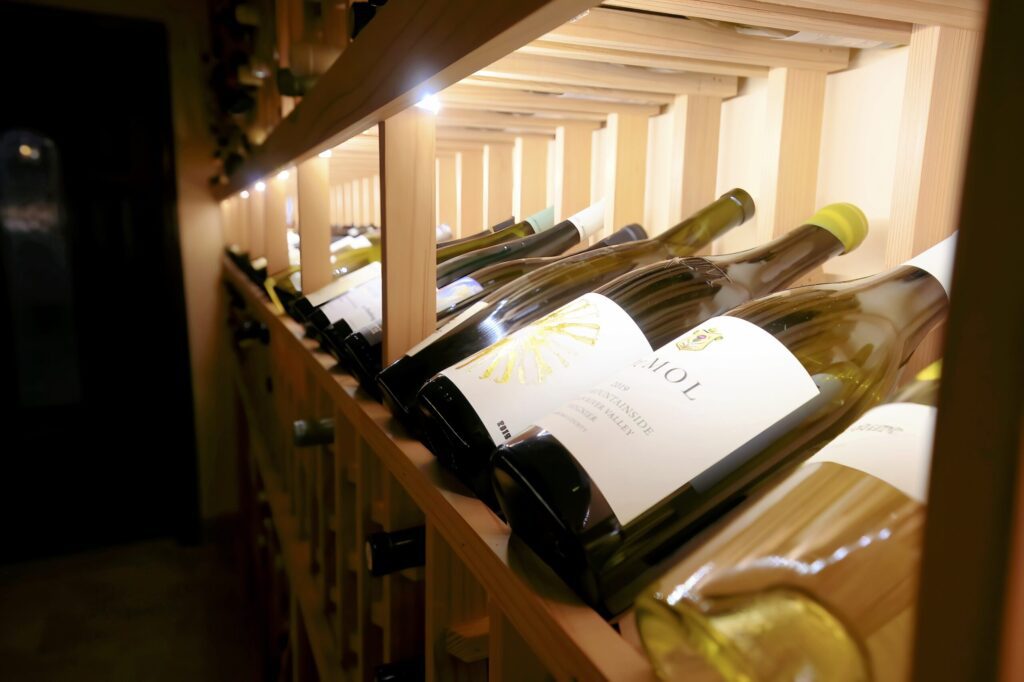
Lighting plays a crucial role in both functionality and aesthetics within a commercial wine cellar. Proper lighting not only enhances visibility but also contributes to the overall ambiance of the space. However, it is essential to choose lighting options that do not emit heat or UV rays, as these can negatively impact wine quality over time.
LED lighting is often recommended due to its energy efficiency and low heat output; it can be used strategically to highlight specific areas or features within the cellar. Aesthetically pleasing design elements can elevate a wine cellar from a mere storage space to an integral part of the establishment’s identity. Incorporating design features such as custom cabinetry or decorative displays can create an inviting atmosphere that encourages exploration and appreciation of the wines on offer.
Additionally, using color schemes that align with branding can further enhance visual appeal. Ultimately, thoughtful lighting and design choices will create an inviting environment that enhances both customer experience and product presentation.
Maintenance and Upkeep of the Wine Cellar
Regular maintenance and upkeep are essential for ensuring that a commercial wine cellar remains in optimal condition over time. This includes routine checks on temperature and humidity levels to ensure that climate control systems are functioning correctly. Any fluctuations should be addressed promptly to prevent potential damage to stored wines.
Additionally, regular cleaning of shelves and racks will help maintain a hygienic environment free from dust or debris that could affect wine quality. Inventory management is another critical aspect of maintenance in a commercial wine cellar. Keeping accurate records of stock levels allows businesses to monitor sales trends and make informed purchasing decisions.
Regularly rotating stock ensures that older bottles are sold first, minimizing the risk of spoilage due to prolonged storage. By implementing effective maintenance practices, businesses can protect their investment in fine wines while providing customers with an exceptional experience every time they visit. In conclusion, establishing a commercial wine storage solution requires careful consideration of various factors ranging from design and layout to climate control and security measures.
By prioritizing these elements, businesses can create an environment that not only preserves the quality of their wines but also enhances customer engagement and satisfaction. Whether through thoughtful design choices or diligent maintenance practices, investing in proper wine storage is essential for any establishment looking to thrive in today’s competitive market.
FAQs
What are the benefits of building a wine cellar in Danville?
Building a wine cellar in Danville provides a controlled environment for wine storage, protecting the wine from temperature fluctuations and light exposure. It also adds value to the property and creates a dedicated space for wine enthusiasts to store and display their collection.
What are some important considerations when building a wine cellar in Danville?
When building a wine cellar in Danville, it’s important to consider the location, insulation, humidity control, and ventilation. The cellar should be located in a cool, dark area of the home, and proper insulation and airtight seals are essential to maintain the ideal storage conditions for wine.
What are some design ideas for a commercial wine cellar in Danville?
Design ideas for a commercial wine cellar in Danville may include custom racking and shelving to maximize storage space, climate control systems to maintain optimal temperature and humidity, and decorative elements such as lighting, flooring, and tasting areas to create an inviting and functional space for wine storage and enjoyment.
What are the legal requirements for building a commercial wine cellar in Danville?
Legal requirements for building a commercial wine cellar in Danville may include obtaining the necessary permits and adhering to building codes and regulations. It’s important to consult with local authorities and a professional contractor to ensure compliance with all legal requirements for constructing a commercial wine cellar.