Are you a wine connoisseur who wants to learn more about the difference between champagne and sparkling wine? Or maybe you’re just curious about the difference between these two popular drinks? Either way, this blog post is for you! In this post, we’ll discuss the key differences between champagne and sparkling wine so that you can make an informed decision when it comes time to select your favorite bubbly.
The Difference in Grapes
When it comes to the difference between Champagne and sparkling wine, one of the major factors is the type of grapes used in production. The most famous Champagne or U.S. sparkling wine is made from a blend of three grapes: chardonnay, pinot noir, and pinot meunier. The Chardonnay grape is a white grape that gives Champagne its signature crispness, while Pinot Noir and Pinot Meunier are red grapes that bring out the full-bodied flavor of Champagne. On the other hand, sparkling wines can be made from any type of grape, and winemakers may choose to use different grapes to create their own distinct flavor profiles.
The Difference in Method of Production
When it comes to the production of sparkling wine, there are two main methods to consider. The traditional method is referred to as Méthode Champenoise, and it is the same method used to make Champagne. This method involves a secondary fermentation process within the bottle, which gives the sparkling wine its signature bubbles.
Prosecco, and some other sparkling wines, are made with the Charmat Method, which is a much faster process. This involves a single fermentation in large tanks and then bottling with added carbonation.
The key difference between Champagne and any other sparkling wine is the wine region. Champagne hails from the Champagne region of France, and grapes used in making Champagne must only come from select pieces of land according to the laws set in place by the Champagne appellation.
The process for producing Champagne using Méthode Champenoise is one that has been well established and is designed to create consistent tasting wines every time. This is a very complex process, which forces the winemaker to handle each individual bottle many times. There’s a wide gap between Champagne and other sparkling wines made using the same, traditional method. However, there’s an even wider gap between sparkling wines made with the Charmat Method and Champagne.
The Difference in Price Point
When it comes to the price difference between champagne and sparkling wine, there is a significant gap. A bottle of Prosecco goes for an average of $12 while champagne goes for $52 according to Brager. The price of California sparkling wines can vary significantly, but they tend to be more affordable than Champagne. On the other hand, Champagne is made with more expensive grapes that have been aged longer and require more labor-intensive production techniques. If you’re looking for a quality bottle of bubbly, Glancy says there are good sparkling wines in the $10 to $15 range. It’s possible to find a good bottle of bubbly for less than $10 if you look around, but you won’t find any true Champagne in that price range.
Champagne’s French Origins
Champagne has been produced in the Champagne region of France since the 9th century. In 987, Hugh Capet was crowned the King of France and established a winemaking tradition that still exists today. The grapes used in Champagne production are Pinot or Chardonnay from the Champagne region while other sparkling wines can be made from any variety of grapes. The production process for making Champagne is much more complex and labor-intensive than for other sparkling wines, with fermentation taking place in the bottle instead of a tank. This process, known as the méthode champenoise, gives Champagne its unique flavor and aroma. Over centuries, Champagne evolved from being a pale, pinkish still wine to a sparkling wine. Today, Champagne is globally recognized as one of the finest and most luxurious sparkling wines.
Sparkling Wine’s Global Appeal
Sparkling wine has become increasingly popular in recent years, with more and more producers from around the world creating unique and flavorful bottles. While Champagne may be the most famous sparkling wine, there are many other styles that are gaining in popularity. Prosecco is a light and fruity Italian sparkling wine, while Cava is a Spanish sparkling made in the same style as Champagne. English sparkling wines and Crémants from France are also becoming increasingly popular. Each of these styles has its own unique flavor profile, ranging from crisp and dry to sweet and fruity. And with sparkling wines from countries like Australia, South Africa, and even Mexico, there is something for everyone to explore. Whether you’re looking for a special occasion bottle or an everyday sparkler, there are plenty of options to choose from.
Different Types of Champagne and Sparkling Wine
When it comes to the types of champagne and sparkling wine, there are many distinctions to consider. Champagne is traditionally made from Chardonnay, Pinot Noir and Pinot Meunier grapes, but there are other varieties available. The most common style of champagne is Brut, or dry, but there are also Extra Dry and Demi-Sec styles. Sparkling wines can be made from any type of grape, and range in styles from Brut to sweet. There are also sparkling rosés and flavored sparkling wines available. Depending on the grape used, flavors and aromas can range from crisp and fruity to complex and nutty.
Differences in Taste and Aroma
When it comes to taste, both Champagne and sparkling wines offer a wide range of flavors, from dry and crisp to fruity and sweet. Champagne tends to have more of a full-bodied flavor due to the longer aging process compared to sparkling wines, which usually have more fruit and flower aromas (a product of the grape variety used). Prosecco, for instance, is known to have boisterous fruit and flower aromas due to the Glera grape used in its production. Additionally, the grapes used in champagne production are generally Pinot Noir and Pinot Meunier, while sparkling wines can be made from a variety of other grapes including Chardonnay and Chenin Blanc. To experience the full flavor of either sparkling wine or champagne, it’s recommended to serve them in white wine glasses instead of flutes. This will allow the carbon dioxide to be released into the air, giving you maximum flavor and aroma.
How to Serve the Perfect Glass of Bubbly
When it comes to serving sparkling wine, the importance of temperature and type of glass cannot be overstated. To get the most out of your bubbly, it’s best to keep it cold, but not too cold. The ideal temperature range for sparkling wines is between 45°F and 55°F. Serving your bubbly too cold will mask its true character and taste.
When it comes to glassware, there are a few options. Champagne flutes are the go-to choice for many. The flute’s long stem and narrow lip preserve the bubbles of the wine, giving you a more enjoyable experience. Coupe glasses are also a great choice for bubbly, offering a wide brim to capture the aromas of your sparkling wine. For more casual occasions, you could also opt for white wine glasses to serve your sparkling wine.
The way you hold your glass is important as well. Holding your glass by its stem helps keep your drink at a stable temperature and prevents your hands from warming up the glass. And, of course, don’t forget the classic “clink” when clinking glasses with your friends!

Pairing Champagne and Sparkling Wines with Food
Pairing food with champagne and sparkling wines is an art form. The high acidity of these wines makes them very versatile and food friendly. Sparkling wines and champagnes can be served with a range of appetizers, entrees, and desserts.
For light appetizers, such as salads and seafood dishes, Italian sparkling wines such as Prosecco are the perfect complement. Their light texture and fruity flavors pair nicely with light dishes.
For heavier dishes such as meat or poultry, Champagne is an excellent choice. Its boldness will stand up to the bold flavors in the dish. For example, a classic pairing is chicken in a garlic-almond sauce with a glass of Champagne.
For dessert, sweeter sparkling wines like Moscato or Asti Spumante are ideal. These wines have a sweetness that pairs perfectly with sweet desserts like creme brulee or chocolate mousse.
No matter what type of food you are serving, there is sure to be a sparkling wine or Champagne that pairs perfectly with it.
The Benefits of Drinking Sparkling Wine or Champagne
Drinking Champagne and sparkling wines has some added benefits beyond just the enjoyment of sipping a glass of bubbly. Studies have shown that sparkling wine is an effective way to reduce your risk of cardiovascular disease, as well as reduce bad cholesterol levels and increase good cholesterol levels. It can also help improve your skin’s health, and even your spatial awareness. So if you’re looking for an excuse to indulge in some sparkling wine or Champagne, now you have one!
How to Choose a Bottle for Any Occasion
When it comes to choosing a bottle of sparkling wine or champagne, your options are plentiful. Knowing the differences between the two can help you make an informed decision. Champagne is made exclusively in the Champagne region of France, and is made from a blend of grapes that may include Chardonnay, Pinot Noir, and Pinot Meunier. Because of its French origins, it has a higher price tag than other sparkling wines. Prosecco and cava, meanwhile, are Italian and Spanish sparkling wines, respectively. Both are made from different grapes and are often less expensive than champagne.
No matter which type of sparkling beverage you choose, remember that quality matters. It’s important to do some research when selecting a bottle for your special occasion. Consider factors such as price, grape variety, and vintage. The price of a bottle can range from a few dollars for a low-end sparkling wine to hundreds or even thousands for a bottle of vintage champagne. The grape variety will also play a role in the flavor and aroma of the wine. Finally, vintage plays an important part in determining the quality of the wine you’re buying, so make sure to check the label for the vintage year before making your purchase. With these tips in mind, you should be able to find the perfect bottle for any occasion.
Storing and Serving Tips for Maximum Enjoyment
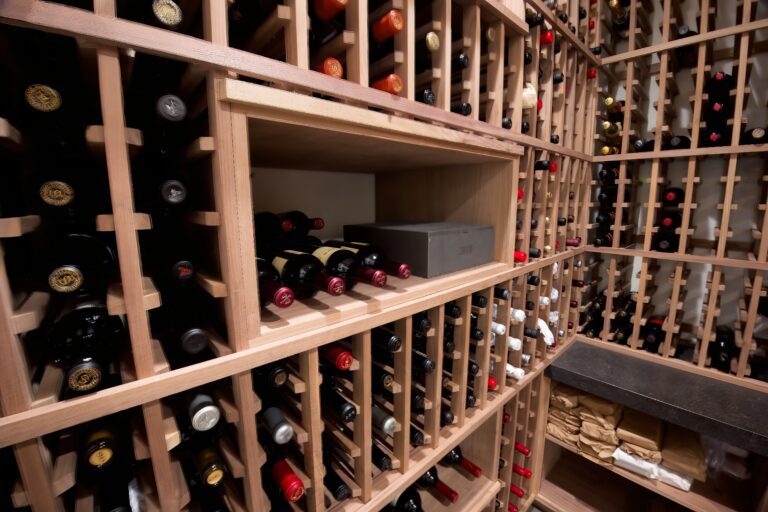
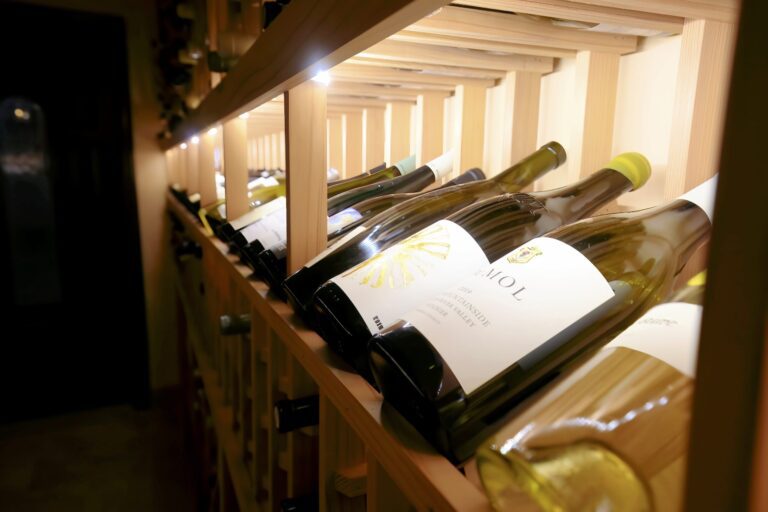
When it comes to storing and serving champagne and sparkling wine, there are a few key tips to keep in mind. To ensure maximum enjoyment, it’s important to store your bottles correctly. Champagne and sparkling wines should always be stored in a cool, dry place away from direct sunlight or heat sources. It’s also important to store them horizontally, so the cork stays moist and in contact with the wine. This will help to preserve the flavor and aromas of the bubbly.
When it’s time to serve, always chill your bottles before pouring. The ideal serving temperature for most champagne and sparkling wines is around 45°F. To achieve this, you can either place the bottle in an ice bucket for about 20 minutes or store it in the refrigerator for a few hours before serving.
When pouring, be sure not to fill the glasses more than one-third full to avoid overflow and waste. Lastly, use a narrow flute glass rather than a wide bowl glass when serving champagne or sparkling wines. The narrow flute glasses help to preserve the bubbles, as they will dissipate faster in wide glasses. By following these simple steps, you can ensure that every glass of champagne or sparkling wine you serve is perfect!
Keeping Track of the Variety You Try
Are you a fan of both champagne and sparkling wines? If so, it can be hard to keep track of all the different varieties you have tried and what you think of them. Fortunately, there are plenty of apps that can help you keep track of your bubbly drinking journey. With these apps, you can easily log each type of wine you have tried and rate it based on your personal opinion. You can even add detailed tasting notes for each bottle, which can help you remember what you liked or disliked about them. So if you love to explore the world of bubbly wines, make sure to check out some of these tracking apps to keep your journey organized.
Call us today for a free consultation
Wine Hardware has a passion for wine, and we’re excited to share that passion with you. We believe that wine should be enjoyed by everyone! Thank you for supporting us!