Key Takeaways
- The ideal location for your wine cellar is crucial for maintaining the quality of your wine collection.
- Choosing the right design and layout for your wine cellar is essential for maximizing space and functionality.
- Selecting the appropriate cooling system is necessary to ensure that your wine is stored at the optimal temperature.
- Insulation and humidity control are crucial factors for preserving the quality of your wine collection.
- Hiring the right professionals, such as contractors and designers, is essential for building a custom wine cellar that meets your needs and budget.
Determining the Ideal Location for Your Wine Cellar
When it comes to building a custom wine cellar, the location of your cellar is a crucial factor to consider. The ideal location for your wine cellar should not only be convenient for storage and retrieval but also provide the necessary environmental conditions to ensure the long-term preservation of your wine collection.
Accessibility and proximity to the main living areas of your home are important considerations. You want your wine cellar to be easily accessible, allowing you to effortlessly store and retrieve your bottles as needed. At the same time, it’s essential to strike a balance between convenience and maintaining the ideal environmental conditions for wine storage. Factors such as existing space and layout considerations within your home will also play a role in determining the optimal location.
Beyond the practical aspects, evaluating the environmental conditions of potential locations is equally vital. Temperature and humidity levels are critical for proper wine storage. The cellar should maintain a consistent temperature, typically between 55°F and 65°F, and a humidity level between 60% and 70%. Exposure to natural light and vibrations can also have a detrimental effect on wine, so the chosen location should minimize these factors as much as possible. By carefully considering these environmental requirements, you can ensure that your wine cellar provides the perfect conditions for your collection to thrive.
Choosing the Right Wine Cellar Design and Layout
When it comes to designing your custom wine cellar, the key is to assess your current and future wine storage needs. Start by evaluating your existing wine collection and determining the optimal capacity for your cellar. This will not only ensure that you have ample space to accommodate your current bottles but also allow for future growth and expansion as your collection evolves.
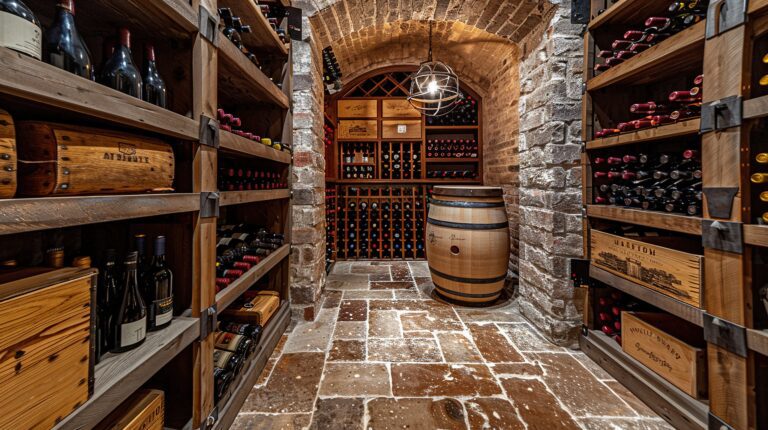
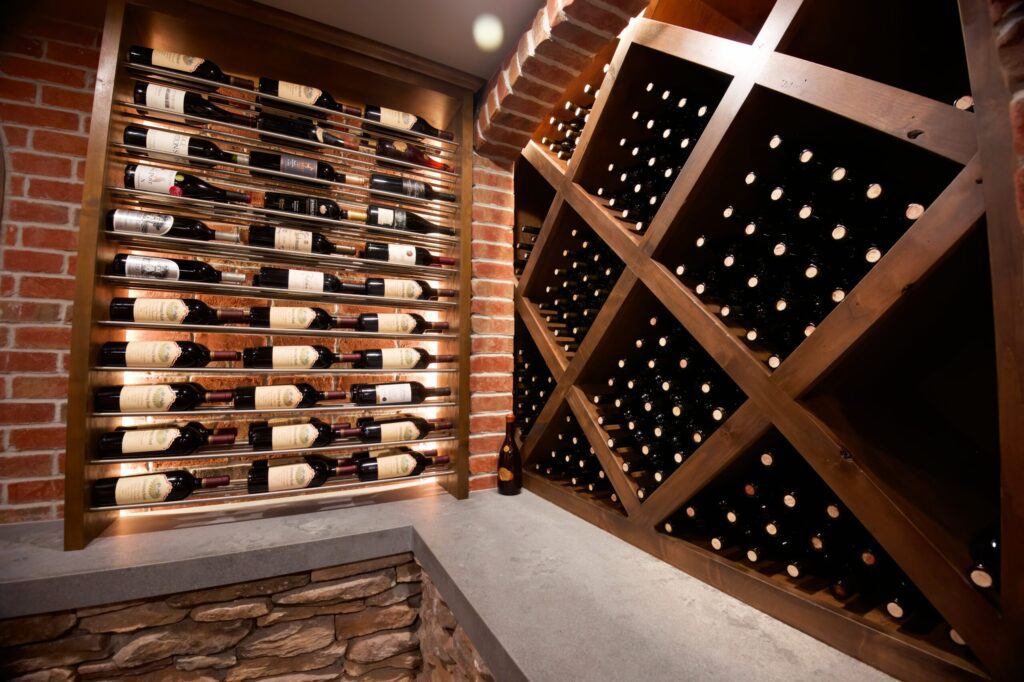
Exploring different design styles and layouts can help you create a wine cellar that not only functions efficiently but also reflects your personal aesthetic preferences. Traditional wine cellars often feature classic wood paneling, stone walls, and ornate racking systems, while modern designs may incorporate sleek, minimalist elements and innovative storage solutions. Customizing the layout to maximize storage and accessibility is crucial, as it will enhance the overall user experience and make it easier to manage your wine collection.
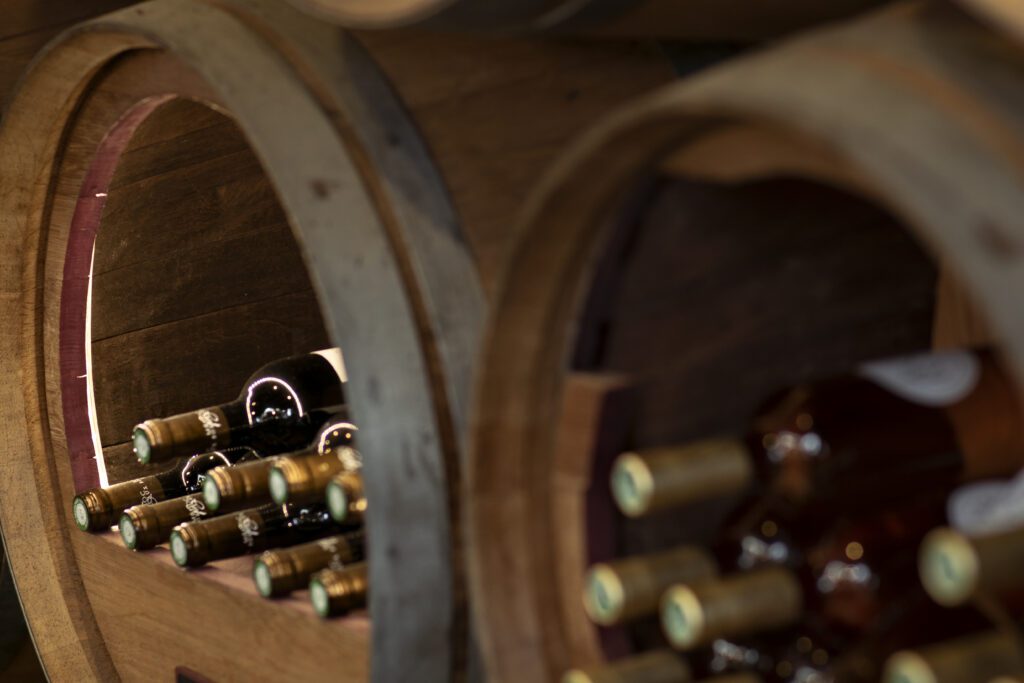
Incorporating unique features and personalized touches can also elevate the design of your wine cellar. This could include incorporating specialized lighting, custom-built tasting areas, or even incorporating a display for your most prized bottles. By blending functionality and personalization, you can create a wine cellar that is both practical and visually stunning.
Selecting the Appropriate Cooling System for Your Needs
Maintaining the ideal temperature and humidity levels is essential for the long-term preservation of your wine collection. This is where the selection of the right cooling system becomes crucial. Compressor-based systems and ductless mini-split systems are two popular options for wine cellar cooling, each with their own advantages and considerations.
Compressor-based systems are known for their reliable and consistent performance in maintaining the desired temperature and humidity levels. These systems are designed to handle the specific cooling requirements of a wine cellar, ensuring that your collection is stored in the optimal environment. However, it’s important to consider the energy efficiency and noise levels of these systems, as they can impact the overall operating costs and the ambiance of your wine cellar.
Ductless mini-split systems, on the other hand, offer a more flexible and energy-efficient solution. These systems are designed to provide precise temperature and humidity control without the need for extensive ductwork. They are often quieter in operation and can be more cost-effective to install, making them an attractive option for some wine cellar projects. When evaluating these systems, it’s essential to ensure that they can adequately handle the cooling load and maintain the necessary environmental conditions for your wine cellar.
Regardless of the cooling system you choose, it’s crucial to understand the importance of a reliable and well-functioning system. Maintaining the ideal temperature and humidity levels is not only essential for the long-term preservation of your wine collection but also contributes to the overall ambiance and enjoyment of your custom wine cellar.
Insulation and Humidity Control: Crucial Factors for Wine Storage
| Aspect | Metric |
|---|---|
| Temperature | 55-57°F (13-14°C) |
| Humidity | 60-70% |
| Size | Customizable to space available |
| Material | Wood, metal, glass |
| Lighting | LED for energy efficiency |
Proper insulation and effective humidity control are two critical factors that play a vital role in the success of your custom wine cellar. Maintaining the desired temperature and humidity levels is essential for the long-term preservation of your wine collection, and these elements work hand-in-hand to create the optimal storage environment.
Insulation is crucial for maintaining the ideal temperature and preventing heat transfer and fluctuations. By ensuring that your wine cellar is properly insulated, you can effectively minimize the impact of external temperature changes and maintain a consistent, stable environment for your wine. This not only protects the quality of your collection but also contributes to the energy efficiency of your cooling system, reducing long-term operating costs.
Alongside insulation, effective humidity control is equally important. Wine requires a specific humidity range, typically between 60% and 70%, to prevent the corks from drying out or becoming overly moist. Utilizing humidifiers or dehumidifiers, as needed, can help you precisely regulate the humidity levels within your wine cellar. Regularly monitoring and adjusting the humidity levels as necessary is essential to ensure the long-term integrity of your wine collection.
By prioritizing both insulation and humidity control, you can create a wine cellar that provides the perfect conditions for your bottles to mature and develop their full potential. This attention to detail not only preserves the quality of your wine but also enhances the overall experience of owning and enjoying a custom wine cellar.
Lighting and Racking: Enhancing the Aesthetic Appeal
The design and functionality of your custom wine cellar go hand-in-hand, and the incorporation of the right lighting and racking systems can significantly enhance the overall aesthetic appeal of your space.
Lighting plays a crucial role in setting the mood and ambiance of your wine cellar. Balancing functionality and ambiance is key, as you want to ensure that your bottles are well-lit for easy identification and retrieval, while also creating a warm and inviting atmosphere. Exploring different lighting options, such as LED, incandescent, or a combination of both, can help you achieve the desired look and feel for your wine cellar.
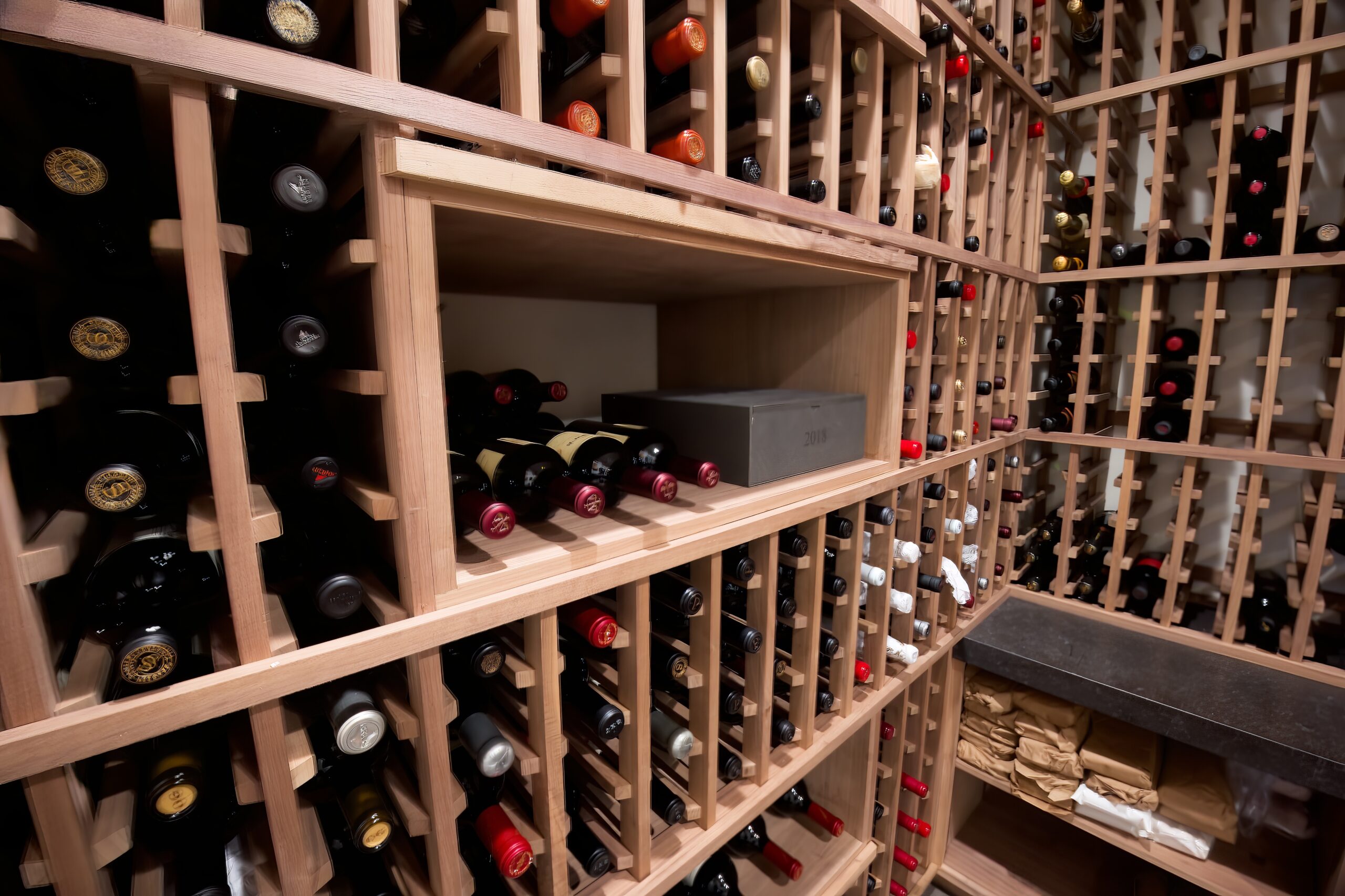
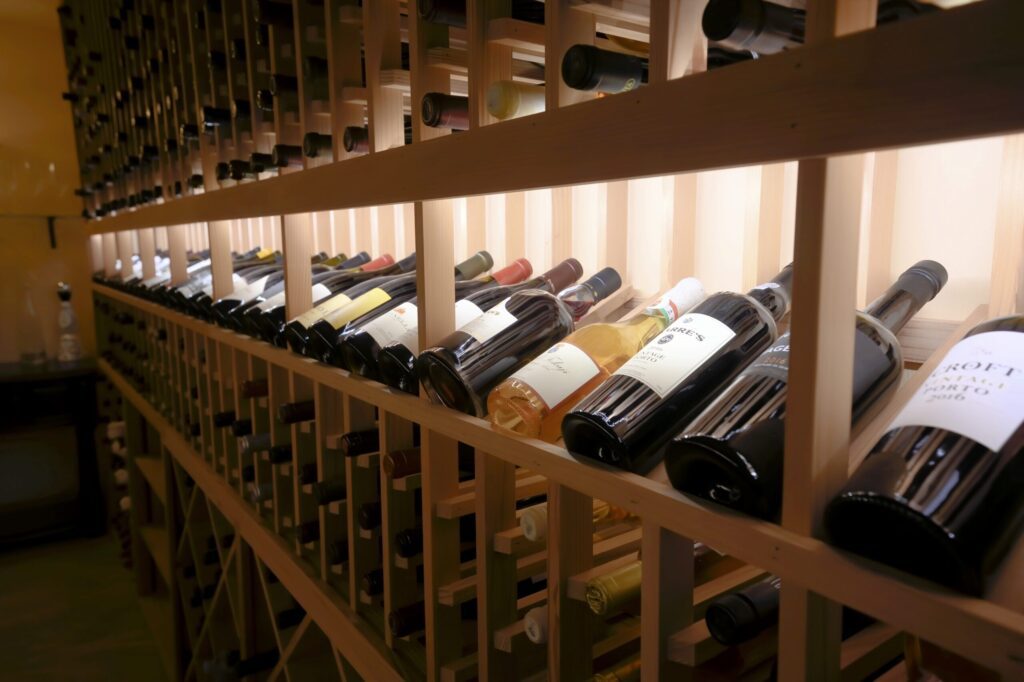
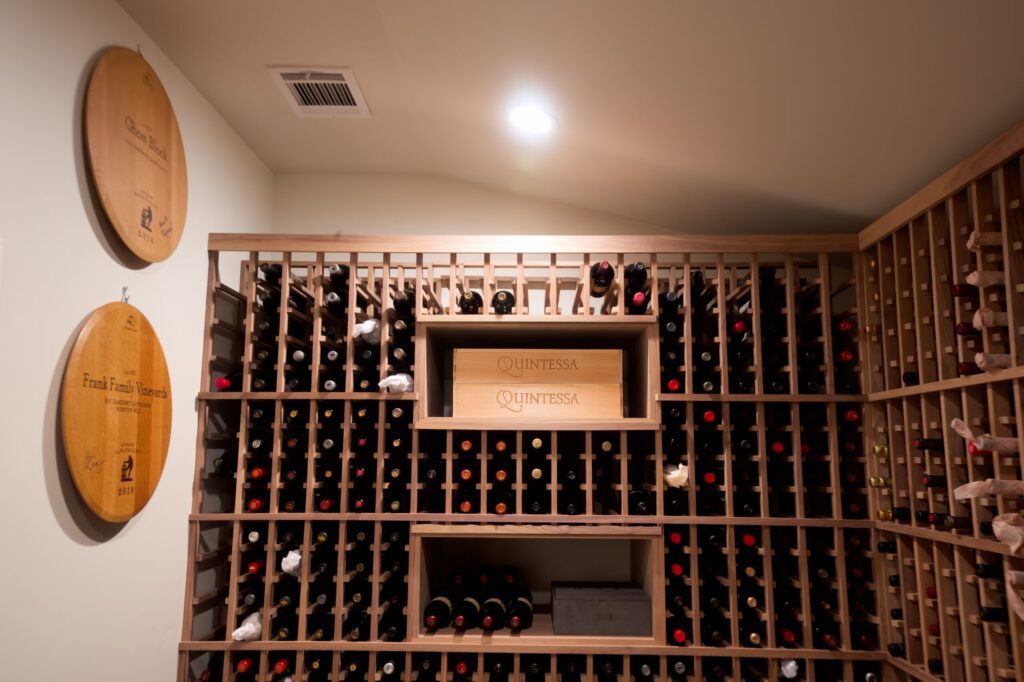
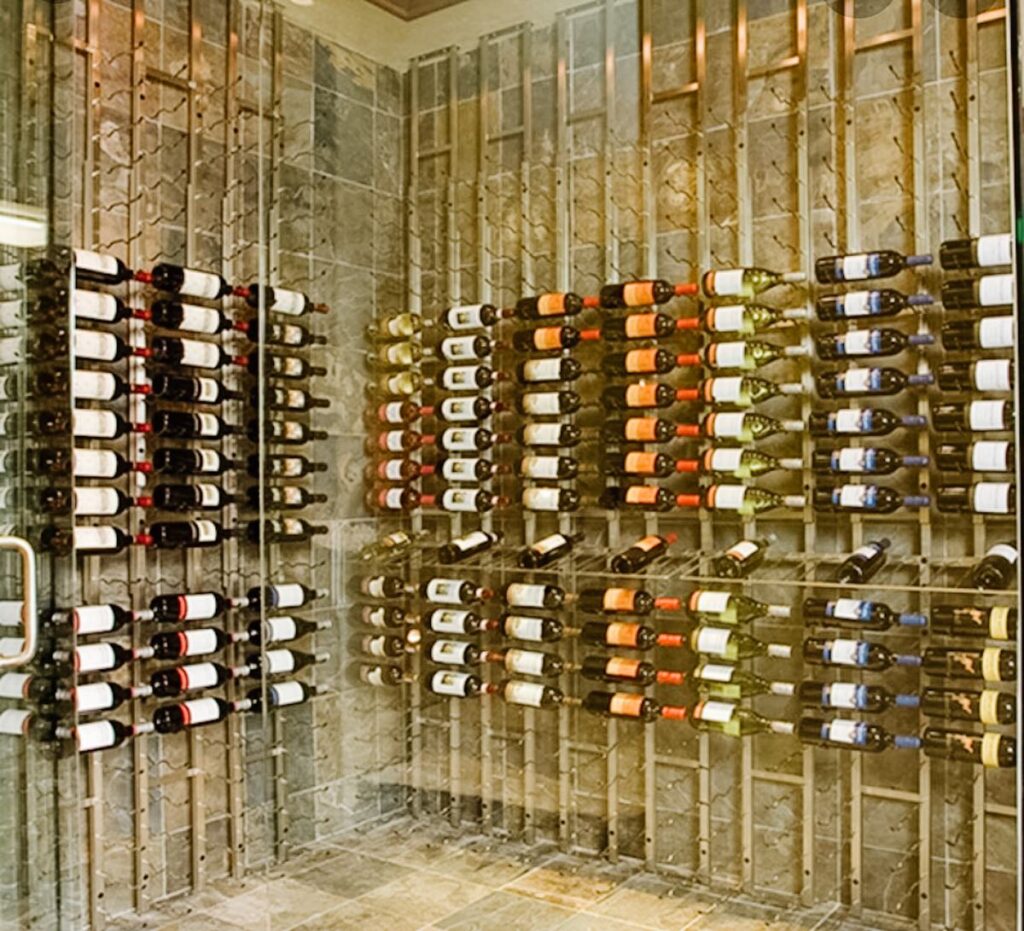
Selecting the appropriate wine racking system is another important aspect of your cellar’s design. Customizing the racking layout to suit your specific storage needs and preferences can maximize the efficiency and organization of your wine collection. From traditional wood racks to modern metal or glass options, there are a variety of materials and styles to choose from. Ensuring that the racking system not only provides efficient storage but also complements the overall aesthetic of your wine cellar is essential.
By carefully considering the lighting and racking elements, you can create a wine cellar that not only functions flawlessly but also serves as a visually stunning showcase for your prized wine collection. The attention to detail in these design elements can truly elevate the overall experience of owning and enjoying a custom wine cellar.
Navigating the Permitting Process in Danville
When it comes to building a custom wine cellar in Danville, navigating the local building codes and regulations is a crucial step in the process. Understanding the requirements and obtaining the necessary permits is essential to ensure that your project is compliant and meets all safety and zoning standards.
Familiarizing yourself with the local building codes and regulations is the first step. This includes researching the specific requirements for constructing a wine cellar, such as insulation standards, electrical and plumbing specifications, and any special considerations for climate-controlled environments. Obtaining the necessary permits for your construction project is a vital part of this process, as it demonstrates compliance with the local authorities and ensures that your wine cellar is built to the appropriate standards.
Working closely with the local authorities and obtaining the necessary approvals is a crucial aspect of the permitting process. This may involve submitting detailed plans and drawings of your proposed wine cellar design, addressing any concerns or requirements that the authorities may have, and navigating the approval process until you receive the green light to proceed with your project.
By understanding the local regulations and working closely with the relevant authorities, you can ensure that your custom wine cellar in Danville is built to the highest standards and in full compliance with the law. This not only protects the integrity of your investment but also provides peace of mind knowing that your wine cellar meets all the necessary safety and zoning requirements.
Budgeting and Cost Considerations for Your Custom Wine Cellar
Building a custom wine cellar is a significant investment, and it’s essential to carefully consider the overall project costs to ensure that your budget is well-planned and managed. Estimating the overall costs involves factoring in the materials, labor, and equipment required for the construction and installation of your wine cellar.
When budgeting for your custom wine cellar, it’s important to account for not only the obvious expenses but also any unexpected costs that may arise during the project. This could include unforeseen construction challenges, changes in material prices, or additional requirements from local authorities. By anticipating and planning for these potential expenses, you can better manage your budget and avoid any unwelcome surprises.
Exploring financing options and cost-saving strategies can also help you maximize the value of your investment. Researching available tax credits or incentives, such as energy-efficiency rebates, can provide valuable opportunities to offset some of the project costs. Additionally, considering the long-term energy savings from efficient cooling systems and insulation can contribute to the overall cost-effectiveness of your custom wine cellar.
By carefully planning your budget and exploring cost-saving measures, you can ensure that your custom wine cellar project in Danville is not only a functional and aesthetically pleasing addition to your home but also a wise financial investment.
Hiring the Right Professionals: Contractors, Designers, and Installers
When it comes to building a custom wine cellar, working with qualified and experienced professionals is crucial to the success of your project. Identifying the right contractors, designers, and installers can make all the difference in ensuring that your wine cellar is constructed to the highest standards and meets your specific needs.
Researching and vetting potential professionals is the first step in this process. Checking their credentials, reviewing their portfolios, and speaking with past clients can provide valuable insights into their expertise and the quality of their work. Evaluating their experience in custom wine cellar construction is particularly important, as it ensures that they have the necessary knowledge and skills to bring your vision to life.
Establishing clear communication and setting expectations with the professionals you hire is also essential. Discussing the project timeline, milestones, and any potential challenges or concerns can help ensure a seamless collaboration throughout the construction process. By maintaining open and transparent communication, you can work together to address any issues that may arise and ensure that your custom wine cellar is completed to your satisfaction.
Investing the time and effort to identify and work with the right professionals can pay dividends in the long run. With their expertise and guidance, you can be confident that your custom wine cellar in Danville will not only meet your functional requirements but also exceed your aesthetic expectations.
Maintaining and Optimizing Your Custom Wine Cellar in Danville
Owning a custom wine cellar is an investment that requires ongoing care and attention to ensure its long-term performance and the preservation of your wine collection. Establishing a regular maintenance routine and optimizing the cellar’s performance are essential steps in maintaining the ideal storage environment for your prized bottles.
Monitoring the temperature and humidity levels within your wine cellar is a crucial aspect of the maintenance process. Regularly checking these environmental factors and making any necessary adjustments can help you maintain the optimal conditions for your wine collection. Performing routine maintenance tasks, such as cleaning the cooling system, checking for any leaks or issues, and addressing any concerns in a timely manner, can also contribute to the overall longevity and efficiency of your wine cellar.
As your wine collection and usage patterns evolve over time, it’s important to explore ways to optimize the performance of your custom wine cellar. This may involve adapting the layout or storage solutions to accommodate changes, or exploring opportunities to enhance the energy efficiency and sustainability of your cellar’s systems. By staying attuned to the needs of your wine collection and the performance of your custom wine cellar, you can ensure that it continues to provide the perfect environment for your bottles to mature and develop their full potential.
Investing in the ongoing maintenance and optimization of your custom wine cellar in Danville is a testament to your commitment to preserving the quality and value of your wine collection. By taking a proactive approach, you can enjoy the benefits of your custom wine cellar for years to come, and continue to savor the unique and exceptional wines that it houses.
FAQs
What are the benefits of building a custom wine cellar in Danville?
Building a custom wine cellar in Danville allows wine enthusiasts to store and showcase their wine collection in a controlled environment. It also adds value to the home and provides a unique space for entertaining guests.
What are the key considerations when building a custom wine cellar in Danville?
Key considerations when building a custom wine cellar in Danville include the size and location of the cellar, insulation and climate control, lighting, and the overall design and aesthetic of the space.
What are the essential features of a custom wine cellar in Danville?
Essential features of a custom wine cellar in Danville include proper insulation and climate control to maintain ideal storage conditions, wine racks or shelving for bottle storage, a tasting area, and appropriate lighting.
What are the cost factors associated with building a custom wine cellar in Danville?
Cost factors associated with building a custom wine cellar in Danville include the size and complexity of the cellar, the materials and finishes used, climate control systems, and any additional features such as tasting areas or decorative elements.
Do I need a professional to build a custom wine cellar in Danville?
While it is possible to build a custom wine cellar on your own, hiring a professional with experience in wine cellar construction can ensure that the cellar is properly designed, insulated, and climate-controlled to protect and showcase your wine collection.